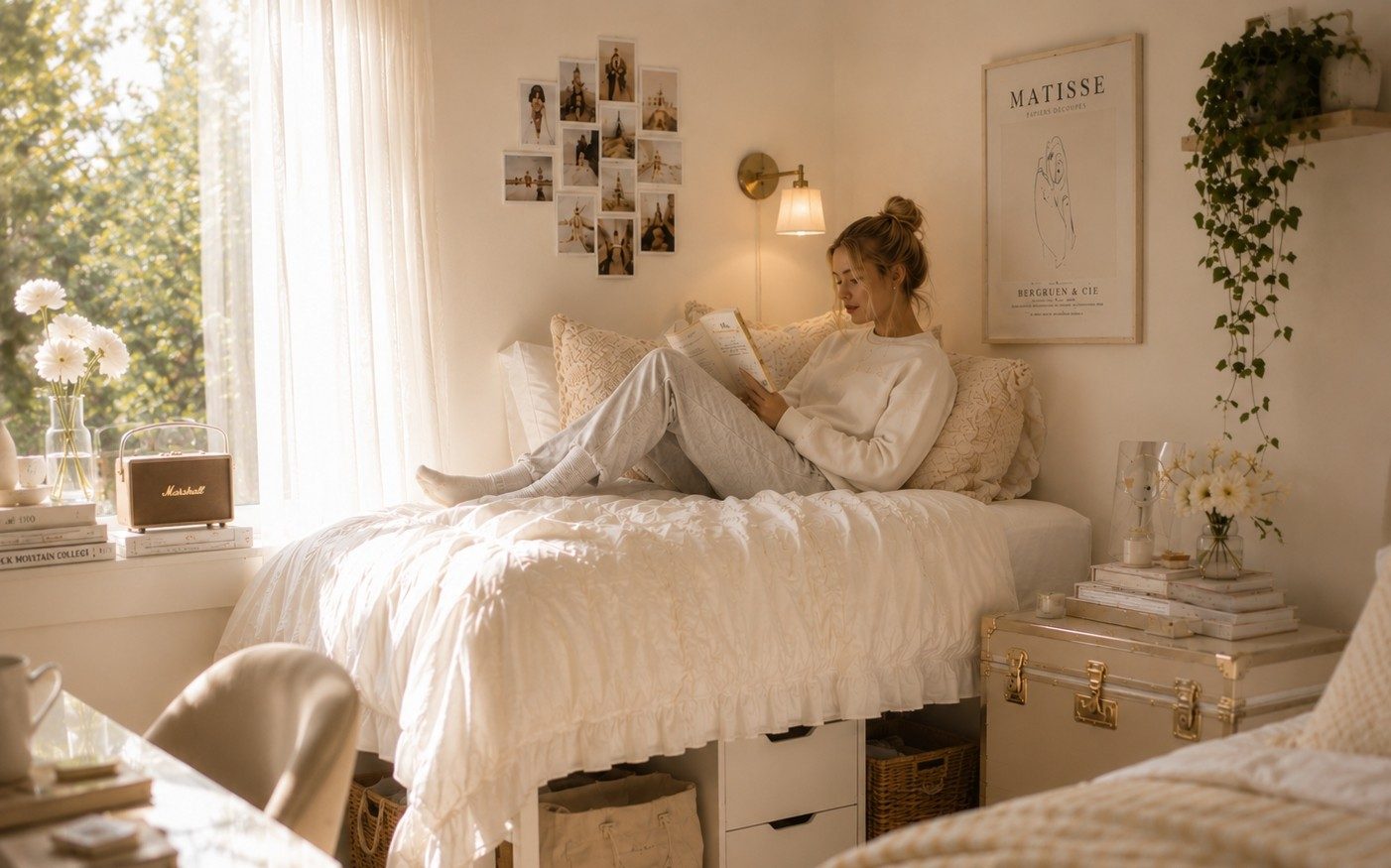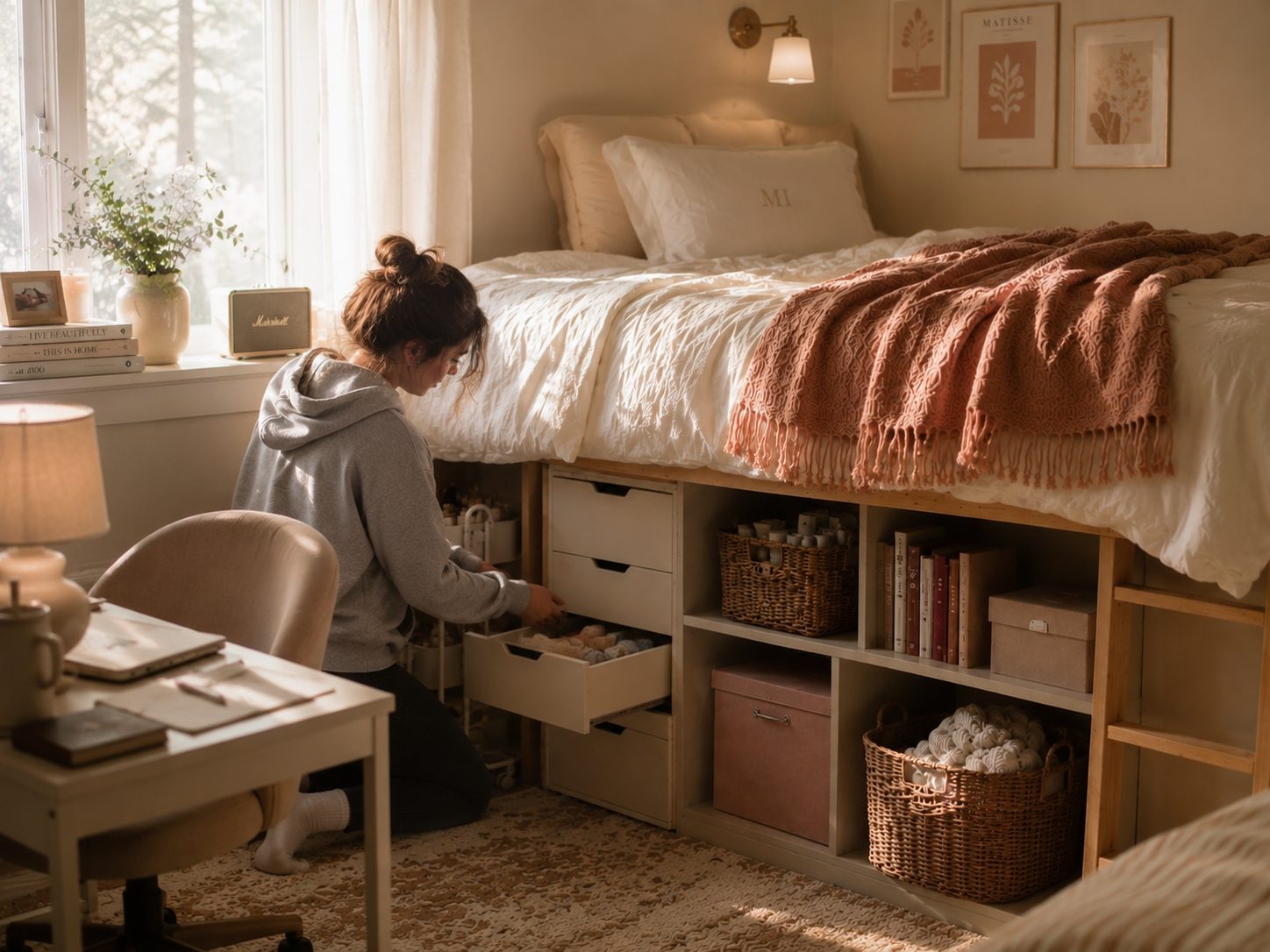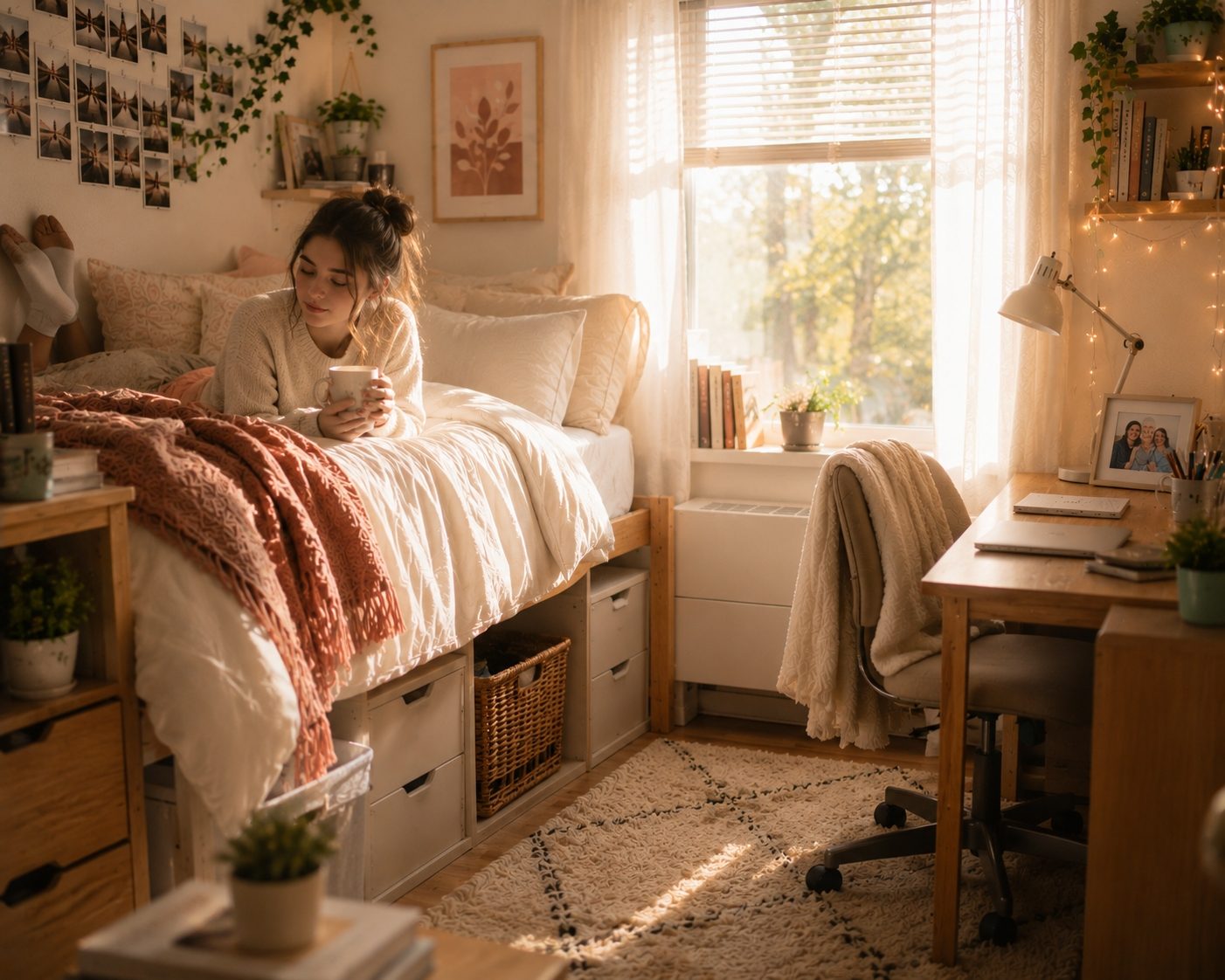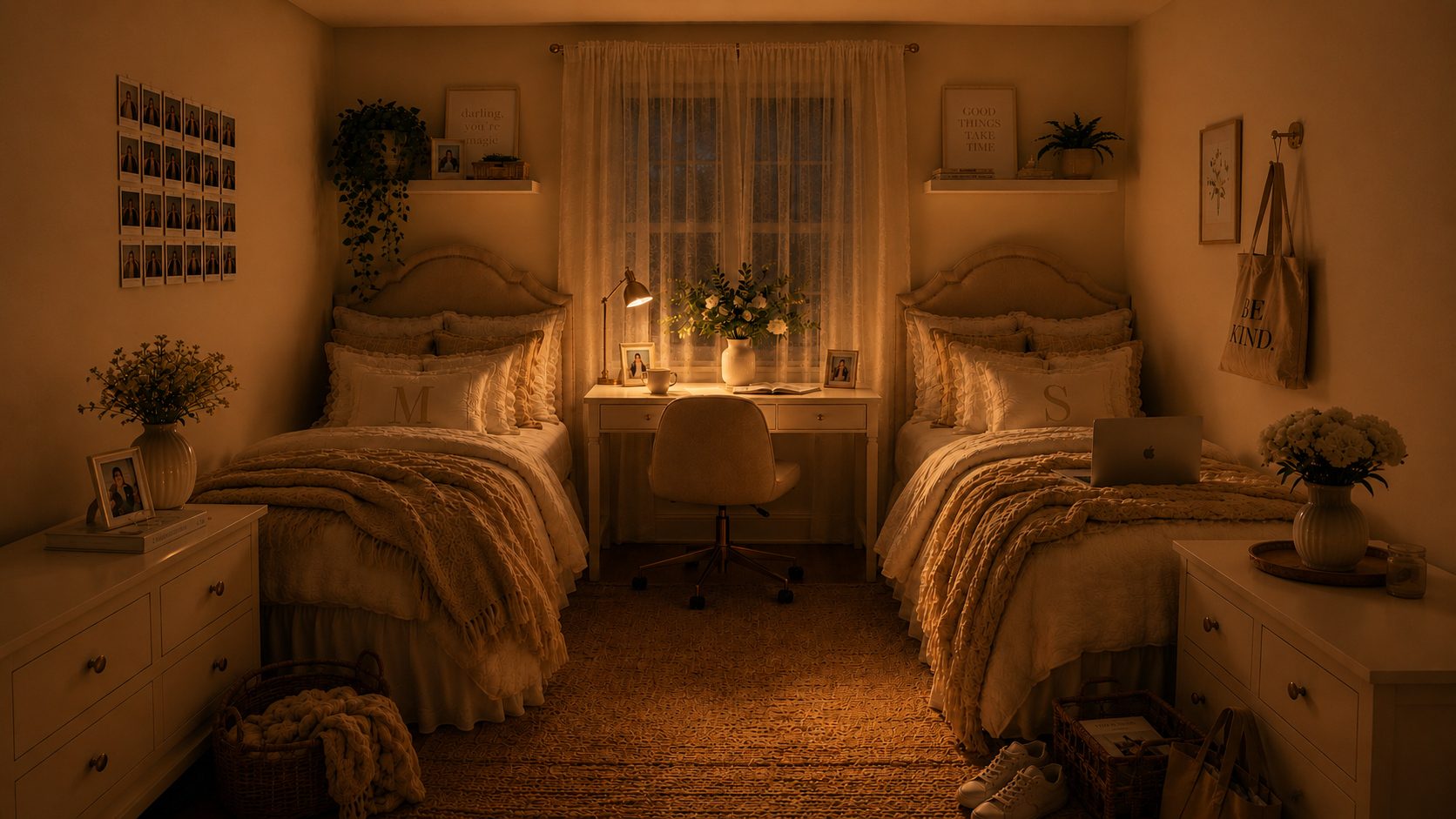
Dorm room lighting is notoriously harsh. Overhead fluorescents cast unflattering shadows, make everything look slightly yellow or green, and create a vibe that feels more hospital room than home. You can buy the perfect bedding, hang beautiful art, and nail your color palette — but if the lighting is off, none of it will look the way you imagined.
The fastest way to transform a dorm room is not buying new decor. It is fixing the lighting.
Quick Answer
For the coziest dorm atmosphere, use 2200K bulbs in your ambient and accent lighting — string lights, bedside lamps, and decorative fixtures. For your desk, use a brighter task lamp at 3000K to 4000K so you can study without eye strain. Avoid 5000K and above for general room lighting; it feels clinical and unflattering.
Key Takeaways
• 2200K creates the warmest, coziest evening atmosphere for ambient dorm lighting.
• Layer three types of light: ambient (fills the room), task (focuses your work), and accent (adds personality).
• Keep ambient and accent lighting at 2200K. Let your desk lamp be the cooler zone.
• Smart bulbs let you experiment with both temperatures without committing to one.
• Dimming matters as much as color temperature — a dimmed 2200K bulb feels dramatically different than one at full brightness.
In This Guide
• Understanding color temperature
• 2200K vs 2700K vs 4000K comparison
• The three layers of dorm lighting
• Common dorm lighting mistakes
• Dorm Styler tips
• Frequently asked questions
Understanding Color Temperature
Color temperature is measured in Kelvin, or K. Lower numbers look warmer and more golden; higher numbers look cooler and bluer. Warm light often feels more comfortable in the evening, while a brighter neutral light can work better at the desk. The best choice depends on how the light will be used.
Here is what the same room looks like at three different temperatures. The difference is immediate:
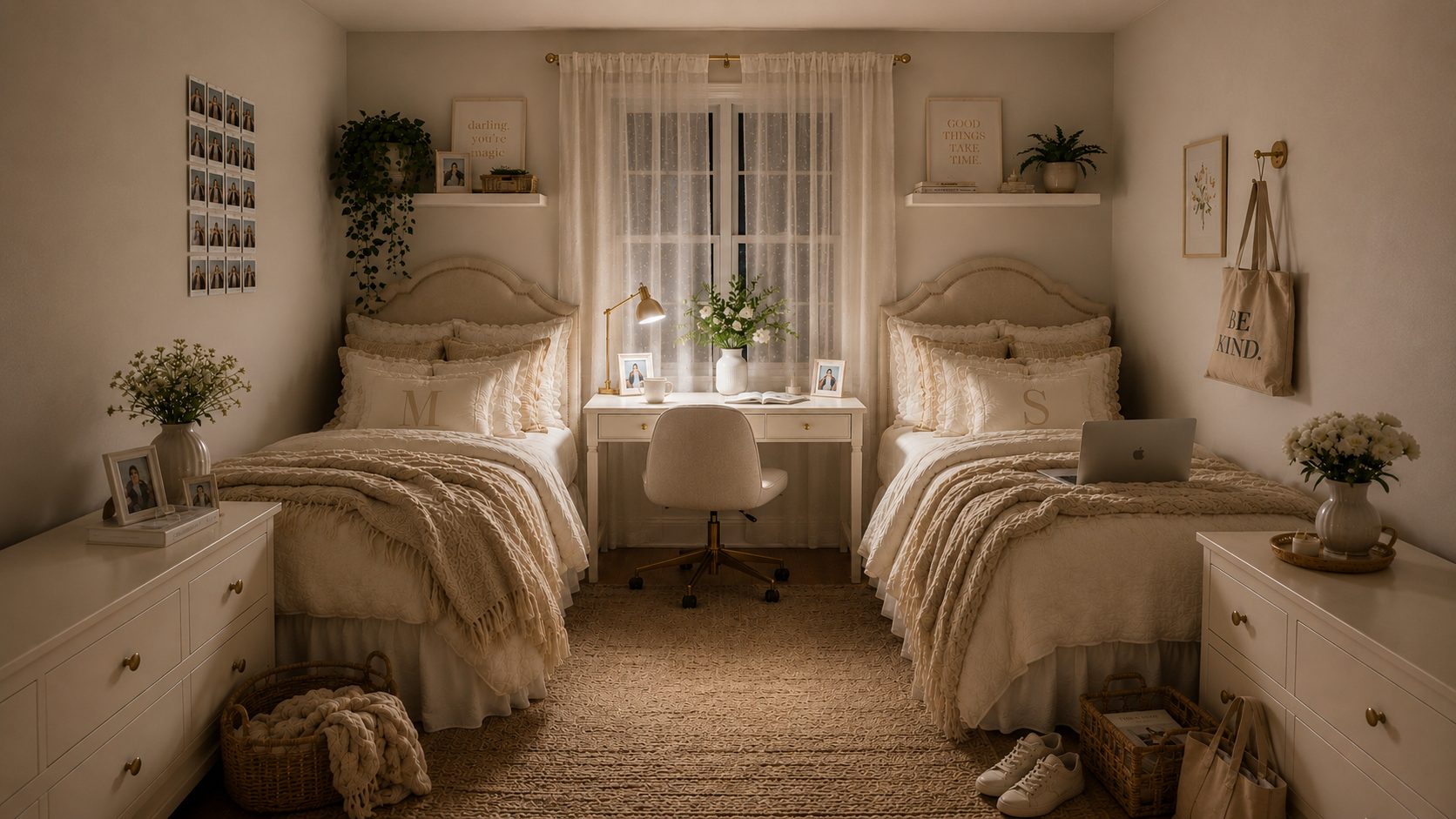
5000K — This is what most dorms give you by default. Harsh, blue-white light that makes everything feel sterile. Not what you want to come home to.
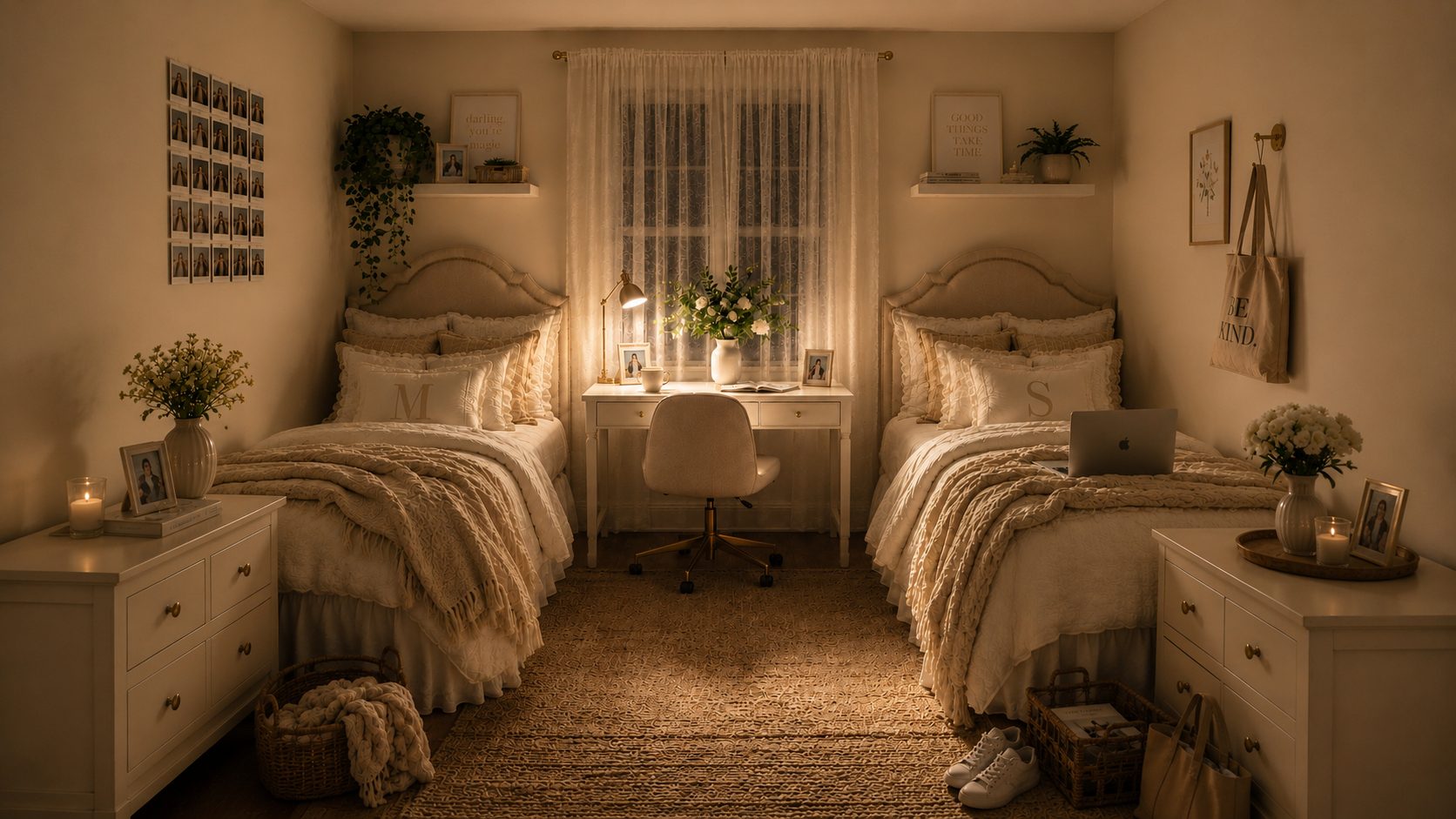
2700K: The Standard — Most warm white bulbs you find in stores sit around 2700K. It is the temperature interior designers default to for living rooms, hotels, and restaurants. It is warm without feeling yellow. It flatters skin tones. It makes whites look creamy. If you buy nothing else, a 2700K bulb will treat you well.
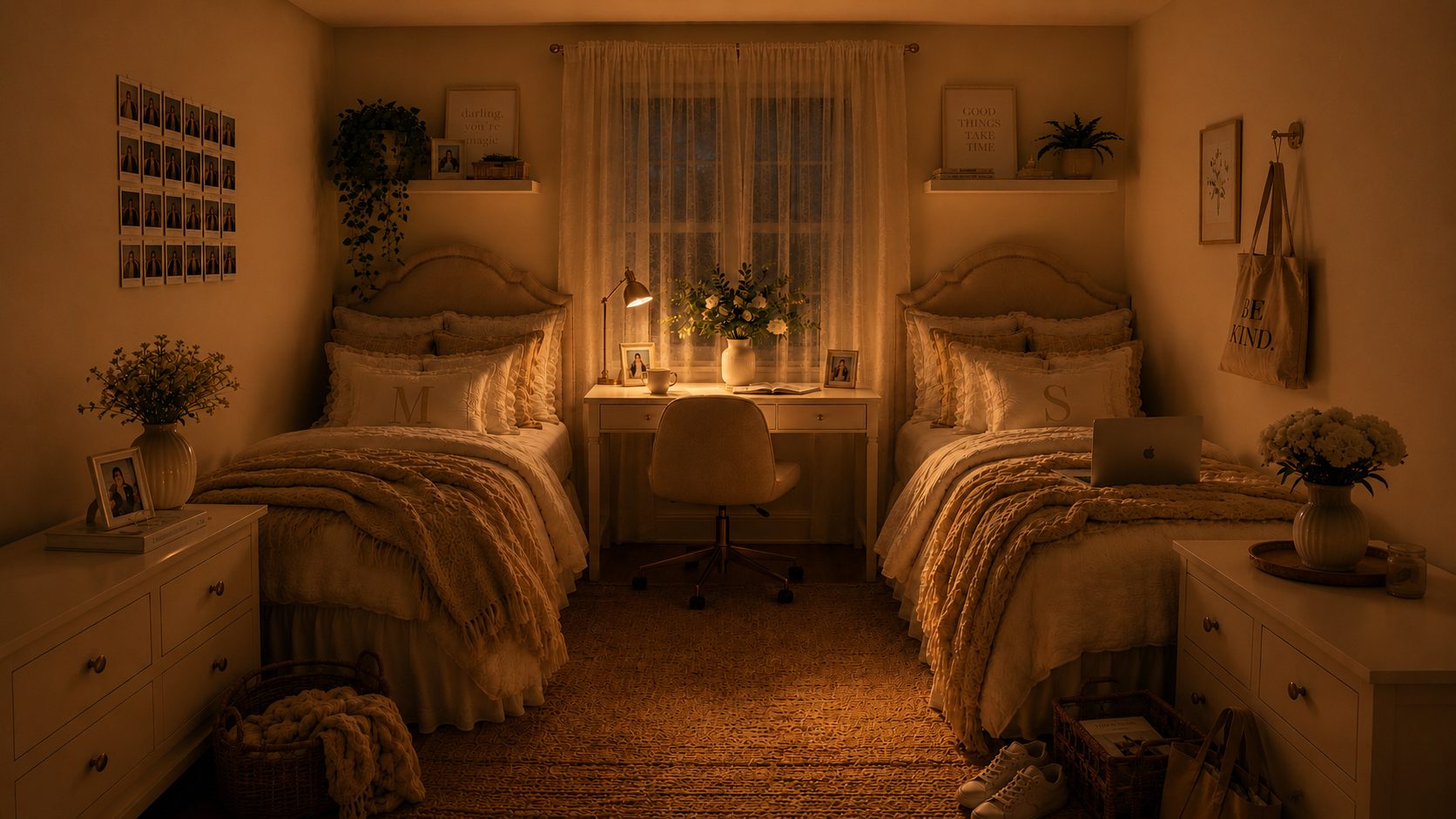
2200K: Something Special — Here is where it gets interesting. Drop the temperature to 2200K and the light takes on the quality of a sunset — golden, soft, and deeply cozy. It is noticeably warmer than 2700K. Textures become richer. Colors become deeper. The whole room feels wrapped in a blanket.
If 2700K feels like a well-lit living room, 2200K feels like that same room at golden hour. The difference is subtle on paper but significant in person. Once you spend a few evenings under 2200K, 2700K starts to feel almost clinical by comparison.
2200K vs 2700K vs 4000K: Which Should You Choose?
2200K — Best for cozy evening lighting
The warmest, softest, most atmospheric option. 2200K creates a candle-like glow that makes cream, beige, blush, sage, warm white, brass, and natural textures look their absolute best. It helps a dorm room feel less institutional and more like home.
Best used for: String lights, bedside lamps, ambient floor lamps, and decorative accent lighting. Ideal for relaxing before sleep, movie nights, and creating a warm, inviting atmosphere.
2700K — Best for general warm-white lighting
A safe, reliable standard that works in almost any setting. 2700K provides warmth without the stronger amber tone of 2200K. Good for lamps that need to work for both relaxing and everyday activities.
Best used for: General-purpose lamps, overhead replacements, and areas where you want warmth without the deepest golden tone.
4000K — Best for focused task lighting
A neutral white that supports concentration and reading. 4000K should normally be limited to your desk or task-lighting zone rather than used throughout the entire room. It keeps you alert without the harshness of 5000K.
Best used for: Desk lamps, reading lights, and study areas only.
5000K and above — Best avoided for dorm rooms
This temperature range feels harsh, blue, clinical, and unflattering in a living space. It may be useful for very specific task needs, but it should not be your main decorative lighting recommendation. Most students find 5000K lighting stressful in a space meant for both work and relaxation.
We Recommend Experimenting
2700K is a safe, reliable choice. But 2200K is worth trying. The best way to find what works for you is to pick up a few smart bulbs and test both temperatures. Set one bulb to 2700K and another to 2200K. Spend an evening with each. Notice how your bedding looks, how the room feels at 10 PM, which one makes you want to stay.
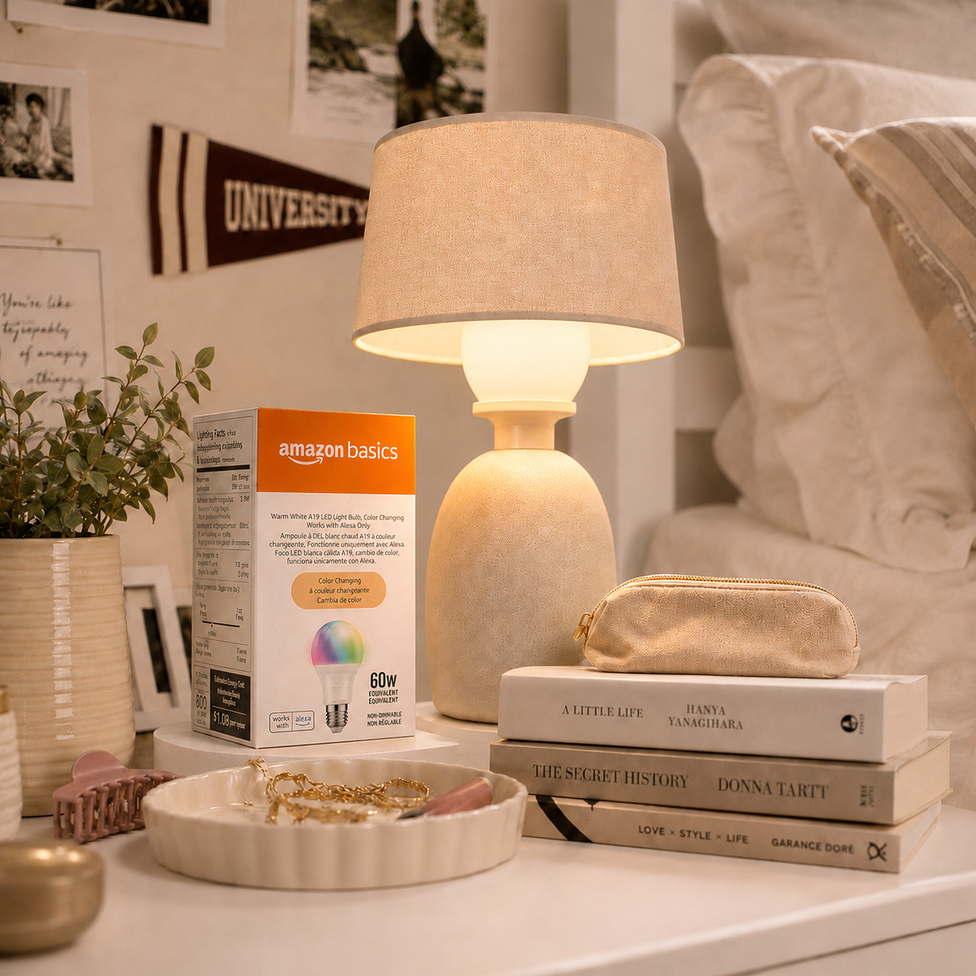
Our Pick: Smart Bulbs — The Amazon Basics Smart A19 LED Bulb is an affordable way to experiment with color temperature. It works with Alexa, requires no hub, and lets you dial in any warmth you want from 2200K up. You can adjust brightness, set schedules, and find your perfect temperature without committing to a full room of bulbs.
The Three Layers of Dorm Lighting
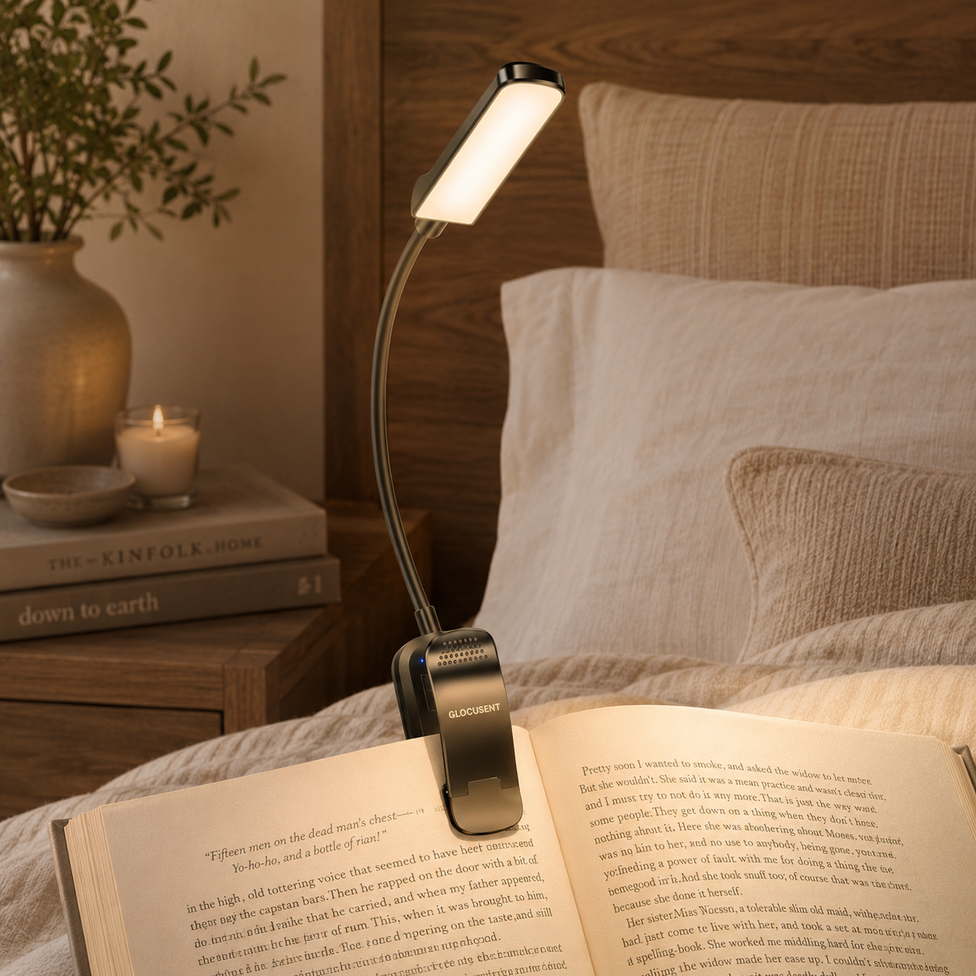
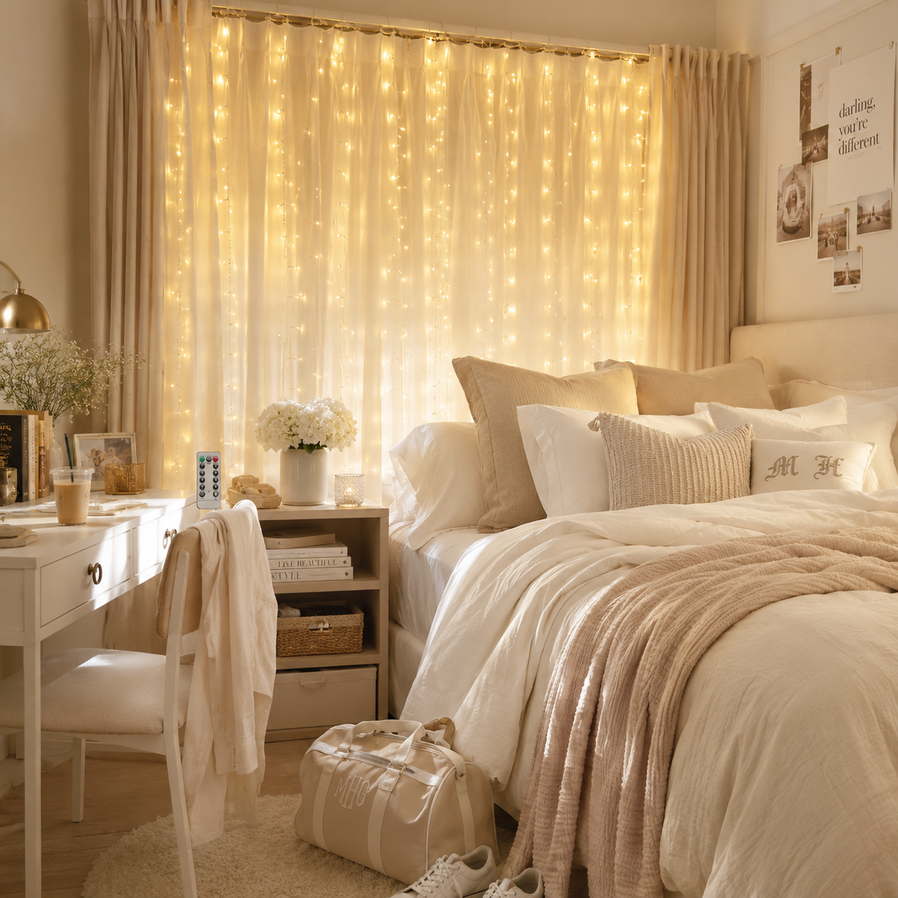
Think of your lighting in three layers. Ambient light fills the room — string lights at 2200K along the ceiling create instant warmth. Task light focuses your work — a desk lamp at 3000K to 4000K keeps you alert without fighting the cozy vibe around it. Accent light adds personality — a clip-on reading light, a salt lamp, an LED strip behind your desk. Keep ambient and accent at 2200K. Let your desk be the one cooler zone.
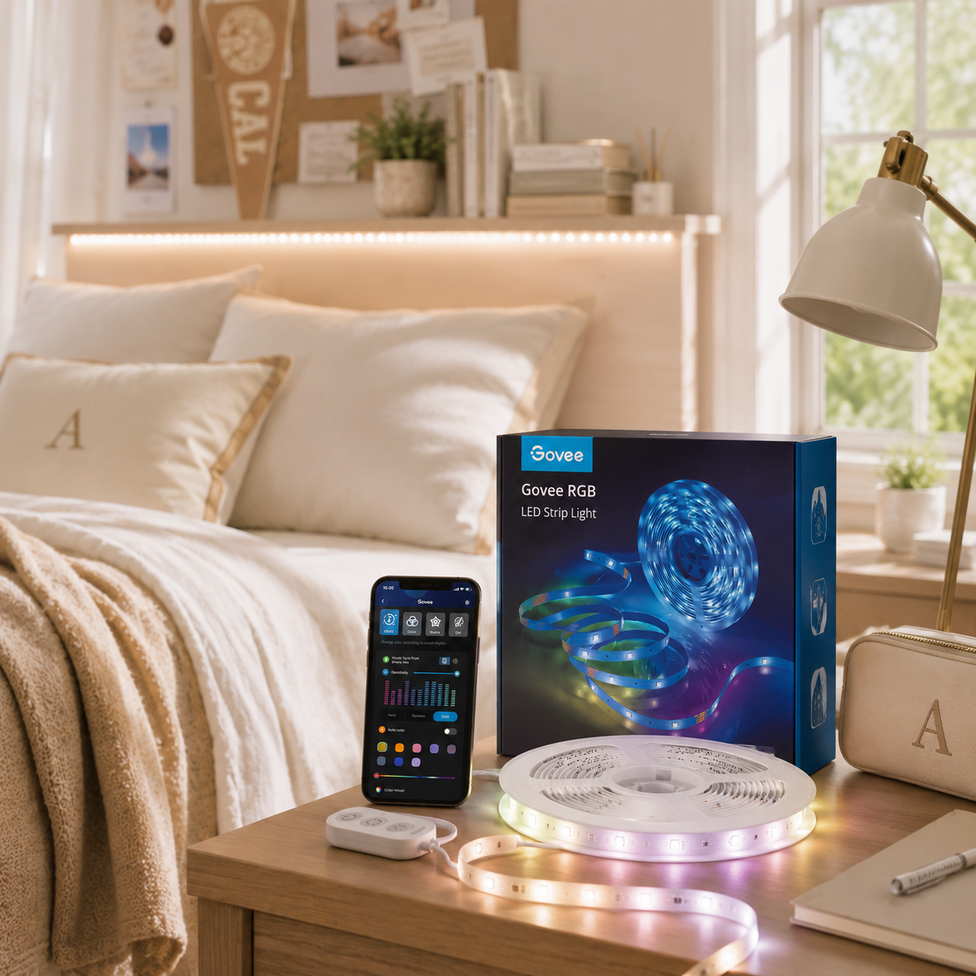
Our Pick: LED Strip Lights — For accent lighting behind your desk or along your headboard, Govee Smart RGB LED Strip Lights are hard to beat. They are WiFi-enabled, work with Alexa and Google, sync to music, and give you full app control over color and brightness. A 16-foot strip is plenty for a dorm room.
Dorm Styler Tip
Layer 2200K string lights along the ceiling for ambient warmth, add a 3000K desk lamp for focused study time, and place a small 2200K bedside lamp within arm reach of your pillow. Three light sources at different heights transform a fluorescent-lit box into a space that feels like home by day seven.
Dimming Changes Everything
A 2200K bulb at full brightness can still feel harsh. Dim that same bulb to 40% and it becomes something else entirely — soft, atmospheric, and warm. Smart bulbs give you both temperature and brightness control. Two dials to play with instead of one.
Common Dorm Lighting Mistakes
Using only the overhead fluorescent
The built-in dorm light is almost always too harsh, too cool, and too bright for a living space. Add at least two additional light sources at warmer temperatures.
Putting a warm bulb directly behind your laptop
Light from behind creates glare on your screen and makes studying uncomfortable. Position your desk lamp to the side instead.
Using 5000K bulbs for general room lighting
What works in a lab or office feels cold and unwelcoming in a dorm room. Reserve cooler temperatures for desk task lighting only.
Forgetting about lighting when choosing a color palette
Warm lighting makes cream and beige look richer. Cool lighting can make those same colors look flat. Match your lighting strategy to your palette.
How Lighting Affects Each Dorm Color Palette
Cozy Neutrals: 2200K makes cream and beige look incredibly warm and inviting. This is the palette that benefits most from golden lighting.
Sage Garden: Warm light brings out the organic quality of sage green. Cool lighting can make sage look gray and dull.
Bluebell Cottage: Soft blue reads beautifully under 2200K, taking on a slightly vintage, cottage quality. Avoid cool lighting that makes blue feel icy.
Blush Bow: Warm golden light makes blush pink look richer and more sophisticated. This combination creates the most romantic evening atmosphere.
Heritage Navy: Cream and white elements glow under 2200K, while navy stays deep and grounding. The contrast feels expensive and intentional.
Related Reading
• Best Dorm Desk Lamps — Task lighting recommendations for focused study.
• Creating a Study Space — How to set up your desk for productivity.
• Cozy Neutral Dorm Room Ideas — The palette that pairs best with warm lighting.
• Dorm Room Shopping List for Moms — Complete checklist including lighting essentials.